
HEIWEL Hospital • Patient Guide
Know why you are visiting
Before leaving home, write down the reason for the visit in one or two sentences. Include the main symptom, how long it has been present, any diagnosis already given and what you hope to accomplish at the appointment. If a doctor referred you for a particular test or procedure, carry the referral or prescription. Knowing the purpose of the visit helps our staff direct you to the appropriate department and helps the clinician focus on the most relevant information.
Carry identification and administrative documents
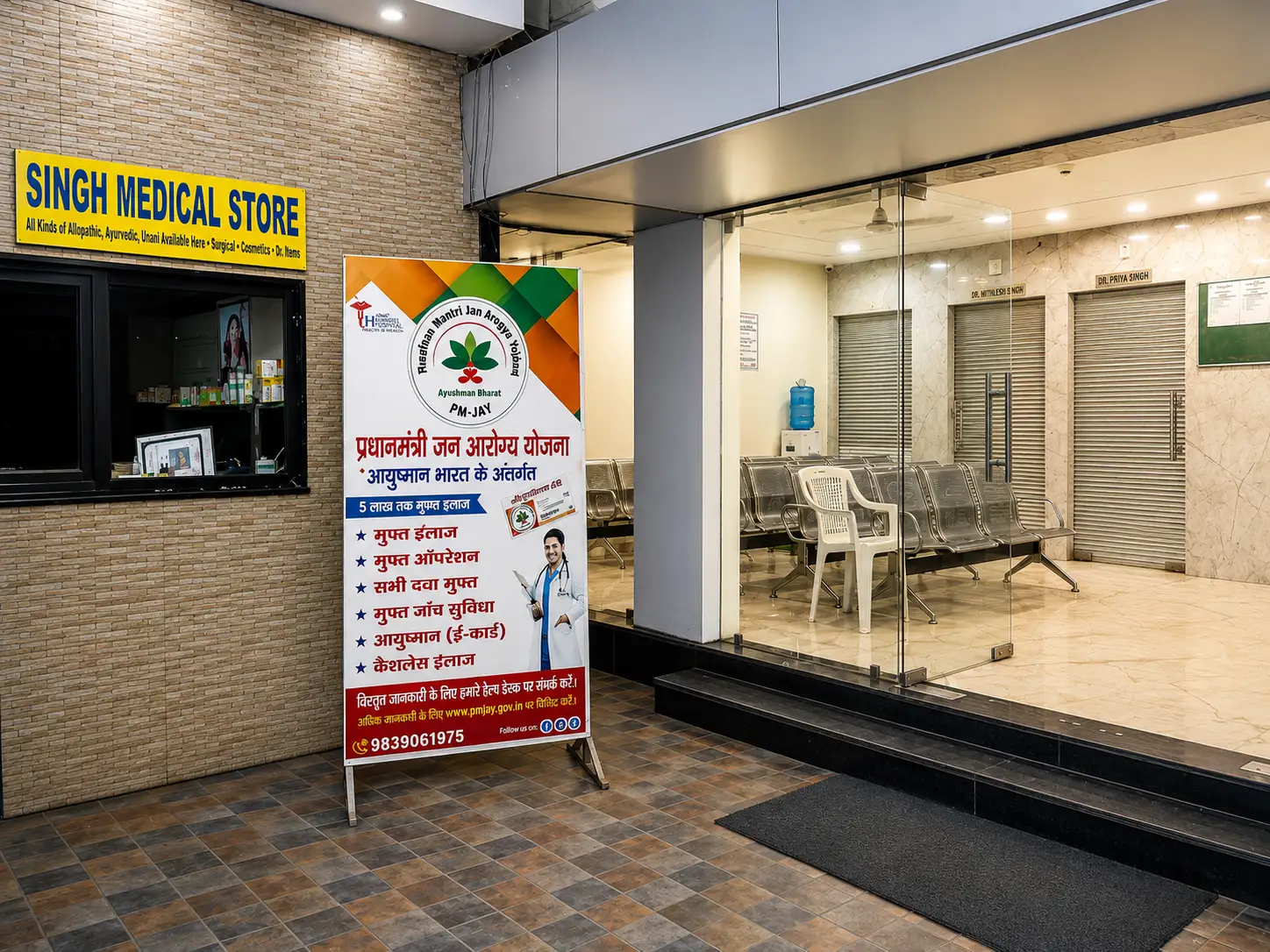
For a planned visit, carry the identification and documents we have requested. If you are using PM-JAY or private insurance, bring the relevant scheme or policy information and any authorization documents already issued. We are PM-JAY empanelled and provide selected TPA support. Because requirements can differ by case, contact the relevant desk beforehand if the visit is for admission or a planned procedure.
Bring previous reports
Previous reports can prevent duplication and give the doctor a baseline. Bring laboratory reports, ultrasound or X-Ray reports, ECGs, discharge summaries, operative notes, biopsy reports and previous prescriptions that relate to the current problem. For chronic disease, older reports can help show trends. Keep reports in chronological order when possible. Digital copies on your phone can be useful, but do not rely on a device battery or internet connection alone.
Make a complete medicine list
Write down every medicine you take, including prescription medicines, over-the-counter products, vitamins and supplements. Include dose and frequency when known. This is especially important before surgery because some medicines affect bleeding, blood pressure, blood sugar or anaesthesia. Never stop a prescribed medicine simply because you read that it might interfere with a test or procedure. Ask the treating team what should be continued, withheld or adjusted.
Write down allergies and important medical history
Record allergies to medicines, foods or other substances and note what reaction occurred. Also write down major medical conditions, previous surgeries, prior anaesthesia problems, pregnancy status where relevant and other important history. This information can influence testing, medicines and the timing of procedures. If a family member is accompanying the patient, ask them to know the medication and medical-history list as a backup.
Preparing for diagnostic tests
We provide pathology, USG/Ultrasound, 2D Echo, ECG, X-Ray and ABG as diagnostic services. Each test can have different preparation instructions. Some blood tests may require fasting; some do not. Ultrasound preparation can vary according to the body area being examined. ECG generally requires appropriate skin access, while other tests have their own processes. Ask us which test you are having and what preparation is required instead of using a generic fasting checklist.
Using our laboratory service
Our laboratory section includes haematology, clinical pathology, microbiology, immunology and immunoassay, histopathology, cytology, coagulation studies and biochemistry. Our fourth-floor sample collection room is dedicated to blood sample collection. Patients should follow the sample-collection instructions exactly and clarify when and where the sample should be provided. For culture tests or other specialised samples, timing and collection method may matter.
Preparing for a surgical consultation
If the appointment concerns surgery, bring all previous imaging and reports, a current medicine list, allergy information and details of previous operations. Ask the surgeon what the proposed diagnosis is, whether surgery is necessary, which operation is planned, what alternatives exist and what recovery involves. We provide General & Laparoscopic Surgery, trauma and emergency surgeries and advanced laparoscopic and bariatric surgery. The appropriate procedure depends on the individual case and should be confirmed with the treating surgeon.
Preparing for admission
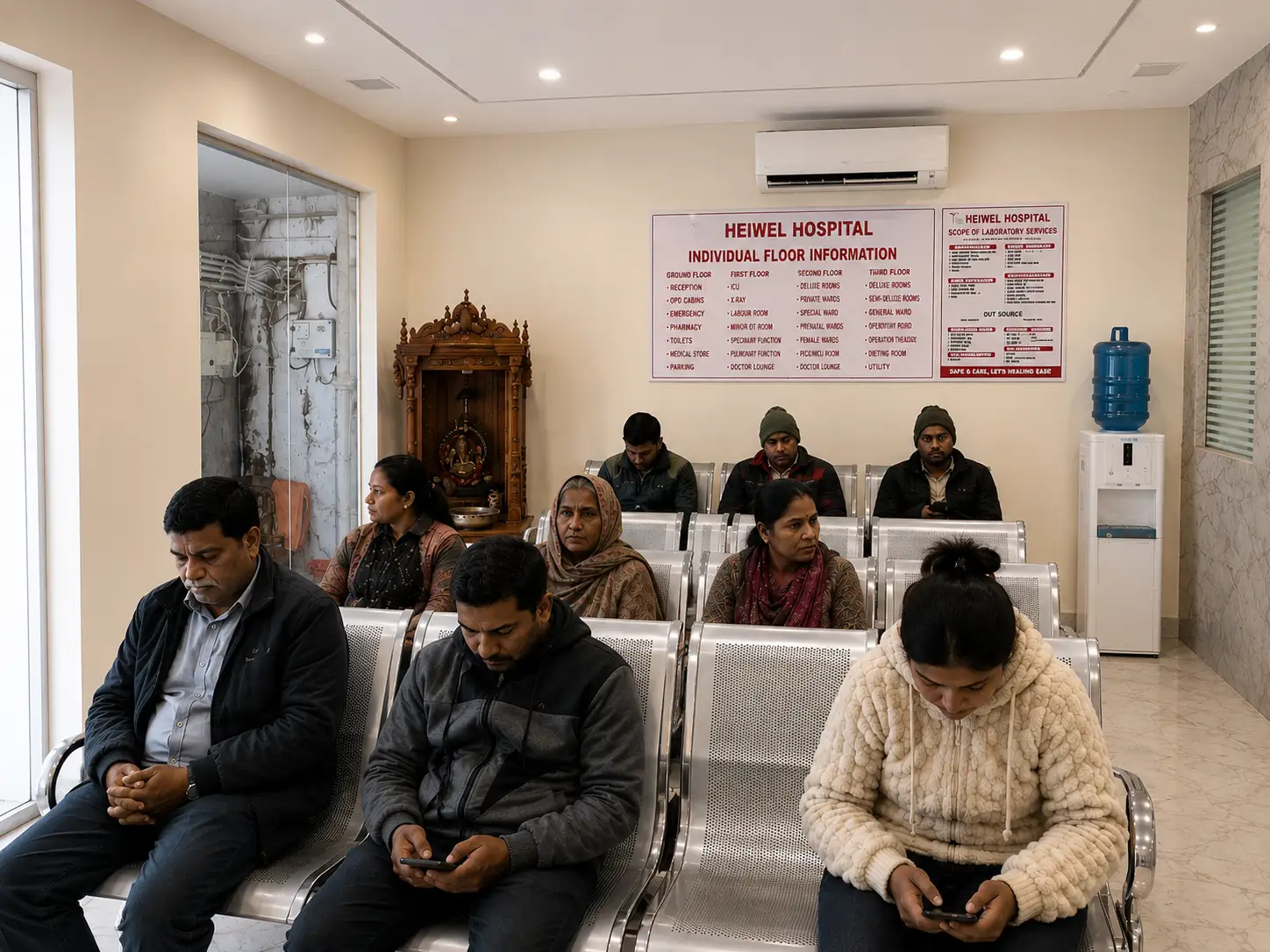
For a planned hospital admission, ask in advance about arrival time, documents, room category, fasting instructions, medicines, attendant requirements and expected length of stay. Our General Wards are on the 2nd Floor, Private Wards on the 3rd Floor and Deluxe Ward rooms on the 4th Floor. Availability and allocation can depend on the case and current bed status. Pack only what is necessary and avoid bringing valuables.
Preparing for maternity and gynaecology visits
Our Obstetrics & Gynaecology service includes high-risk pregnancy, twin pregnancy, normal delivery, Caesarean delivery, infertility assessment and management of ovarian masses and cysts. For pregnancy appointments, carry antenatal records, previous scans, blood reports, prescriptions and vaccination information where applicable. For fertility appointments, bring previous fertility reports, menstrual-history details and any prior treatment records. Ask the clinician which tests are required rather than repeating everything automatically.
Preparing for IVF or fertility treatment
We provide ovulation induction, egg retrieval, sperm collection, fertilization in the laboratory and embryo transfer among IVF/IUI services. Fertility treatment often involves multiple visits and timed investigations, so patients should ask for a written schedule where possible. Confirm medicine instructions, monitoring dates, the expected procedure day, transport arrangements and what happens after each stage. Ask about costs and insurance coverage before starting the cycle.
Preparing for emergency care
Emergency situations are different. If the patient has severe breathing difficulty, loss of consciousness, major bleeding, severe chest or abdominal pain, a major injury or another life-threatening symptom, seek urgent medical care immediately. We highlight 24x7 Emergency and 24x7 Ambulance. Do not delay treatment because you do not have every document. Bring identification and medicines information if it can be done safely without delaying transport.
Questions to ask your doctor
Useful questions include: What is the likely diagnosis? Which tests are needed and why? What treatment options are available? What are the important risks? What should I do before the procedure? Which medicines should I take? What should I watch for at home? When should I return? Who should I contact outside normal clinic hours? Asking these questions turns a passive visit into a clear care plan.
After the visit: organise your next steps
Before leaving, make sure you know the diagnosis or working diagnosis, which tests are pending, which medicines you should take and the follow-up date. Keep the discharge summary or prescription accessible. If a test result will be reviewed later, note when and how the doctor wants to see it. For a procedure, ask which warning signs require urgent contact. Good post-visit organisation can reduce missed follow-up and make future appointments easier.
Our Contact and Location
We are located at NH-56, Airport Road, Near Sant Atulanand, Gilat Bazar, Chotta Chuppepur, Varanasi, Uttar Pradesh – 221002. Our main contact number is +91 9839061975 and a TPA assistance line at 9569177755. Use our current contact information to confirm appointment schedules, documents, preparation instructions, specialist availability and insurance processes before a planned visit.
Create a one-page patient summary
A simple one-page summary can include the patient's name and age, main problem, major medical conditions, current medicines, allergies, previous operations, recent investigations and the reason for the visit. This can be especially useful when multiple family members are involved or when the patient has many previous records. Bring the original reports as well, but a concise summary helps clinicians quickly understand the history. The same summary can be updated after each major consultation or admission.
What an attendant should know
When possible, the family member accompanying a patient should know the patient's medicine list, allergies, major medical history and reason for the visit. This is helpful if the patient becomes tired, anxious or unable to answer questions clearly. For planned procedures, the attendant can also keep copies of the prescription, consent documents, investigation reports and contact details. We provide a wide range of departments, so having the patient's key information organised can make movement between consultation, diagnostics and admission easier.
What not to bring to us
Avoid carrying unnecessary valuables, large amounts of cash or unrelated paperwork. Bring only the medical records, identification, payment or insurance documents and personal items requested for the planned stay. If we give specific instructions about food, medicines or fasting, follow those instructions rather than relying on general advice from friends or social media. For emergency care, do not delay transport merely to collect a complete bag.
If the diagnosis is not yet clear
Many hospital visits begin before a definite diagnosis is established. The purpose may be to evaluate a symptom, review an abnormal report or decide whether additional testing is needed. In this situation, bring the history of the problem and all relevant previous records. Our departments include Internal Medicine, General Surgery, Orthopaedics, Obstetrics & Gynaecology, ENT, Urology, Paediatrics and other specialties, so the patient can be directed to the relevant clinical pathway after assessment.
After a procedure: keep a discharge folder
For any admission or procedure, create one folder containing the discharge summary, prescription, test reports, operative notes, pathology results and follow-up appointment. This makes future consultations easier and helps different doctors understand what happened during the admission. If the patient has surgery involving tissue or a biopsy, keep the pathology report as well. For chronic conditions, add new laboratory reports so future clinicians can compare trends.
How family members can support follow-up
Recovery is easier to manage when someone records appointment dates, medicine changes and warning signs. This is especially useful after surgery, delivery, ICU admission or fertility treatment. Ask the treating team which symptoms require a return to hospital and which can be discussed at a routine follow-up. our main contact number is +91 9839061975, and we also provide a separate TPA assistance line at 9569177755 for insurance-related questions.
If a family member is travelling with the patient
For planned treatment, it helps to decide in advance who will accompany the patient, who will keep the medical records and who will handle administrative questions. One person can maintain a simple record of medicines, test appointments, doctor instructions and follow-up dates. This is particularly useful when a patient is undergoing surgery, maternity care, fertility treatment or recovery after an ICU stay. We provide multiple clinical departments and support services, so a clear record can help the family understand where each part of the care pathway fits.
Before leaving home on the appointment day
Check the appointment time, travel route, required fasting instructions and documents once more before leaving. Keep the prescription, reports, identity documents and medicine list in one accessible folder. Carry a phone charger and our contact number for planned visits. Do not eat or drink against a specific procedure instruction, but also do not fast unnecessarily when no fasting instruction has been given. If the patient's condition becomes suddenly severe on the day of a planned appointment, treat it as a possible emergency and seek urgent medical care instead of waiting for the scheduled slot.
About HEIWEL Hospital, Varanasi
We are located at NH-56, Airport Road, Near Sant Atulanand, Gilat Bazar, Chotta Chuppepur, Varanasi, Uttar Pradesh – 221002. We provide multispeciality care spanning surgery, women's health and fertility, critical care, orthopaedics, diagnostics and other departments, with 24x7 emergency and ambulance support highlighted on the main page.
Frequently Asked Questions
What should I carry for a hospital consultation?
Carry identification, relevant reports, previous prescriptions, a current medicine list, allergy information and insurance or PM-JAY documents when applicable.
Should I bring old medical reports?
Yes. Relevant previous reports can help the doctor understand your medical history and avoid unnecessary repetition.
What should I do if a hospital visit becomes an emergency?
Seek urgent medical care immediately. Do not delay emergency treatment while collecting paperwork.
Where is HEIWEL Hospital in Varanasi?
We provide NH-56, Airport Road, Near Sant Atulanand, Gilat Bazar, Chotta Chuppepur, Varanasi – 221002.
Continue Your HEIWEL Health Journey
Explore closely related guides and services for patients in Varanasi.
Planning treatment from outside Varanasi? Read our Medical Tourism in Varanasi guide →
HEIWEL Hospital in Gilat Bazar, Airport Road, Varanasi
At HEIWEL Hospital, we serve patients from across Varanasi and surrounding areas from our location on NH-56, Airport Road, near Sant Atulanand, Gilat Bazar, Chotta Chuppepur, Varanasi – 221002. Our hospital brings together specialist consultations, diagnostics, inpatient care, surgical services and patient-support facilities in one healthcare setting.
Patients searching for patient guide in Varanasi, a hospital near Airport Road, healthcare near Gilat Bazar or multispeciality care in the Chotta Chuppepur area can use this guide to understand the relevant care pathway before contacting us. For current doctor availability, appointment timing, procedure availability, insurance authorization and package information, please contact us directly.
Talk to HEIWEL Hospital
Our patient-support team can help you with department information, appointment scheduling, diagnostic services, PM-JAY and insurance questions, and hospital visit preparation.
Book an Appointment Call +91 98390 61975